

Published Updated
Live streaming sends audio and video over the internet while an event is taking place. Viewers watch through a supported player or platform, usually with some delay. A live-streaming platform distributes the programme; a production team creates and operates the camera, sound, graphics and event workflow.
What can a business live stream?
Common uses include company announcements, town halls, product launches, conferences, training and webinars. A hybrid event serves people at a physical venue and online. Formal shareholder meetings also require participation arrangements agreed with the organiser and relevant advisers.
How does the signal reach viewers?
- Capture: cameras, microphones and presentation sources provide the picture and sound.
- Produce: the team selects shots, balances audio and adds slides or graphics.
- Encode: hardware or software converts the programme into a stream.
- Deliver: a platform receives the stream and makes it available to the intended audience.
- Monitor: the team checks the outgoing programme and the audience-facing playback.
A recording can be made for later use if it is included in the production plan and permissions allow it.
Platform and production service: what is the difference?
The platform provides viewing access and features such as chat, registration, moderation or replay, depending on the service and account. Choosing a platform does not by itself provide camera operators, good sound or a rehearsed running order.
The production service plans and operates the event’s technical presentation. Its scope may include cameras, audio, lighting, switching, graphics, remote contributors, recording and monitoring. Confirm what is included in the quotation and who owns each responsibility.
Most business events can use an appropriate hosted platform; purchasing and maintaining a streaming server is not a prerequisite. The choice depends on access, audience size, geographical reach, integration and support requirements.
When is a production team useful?
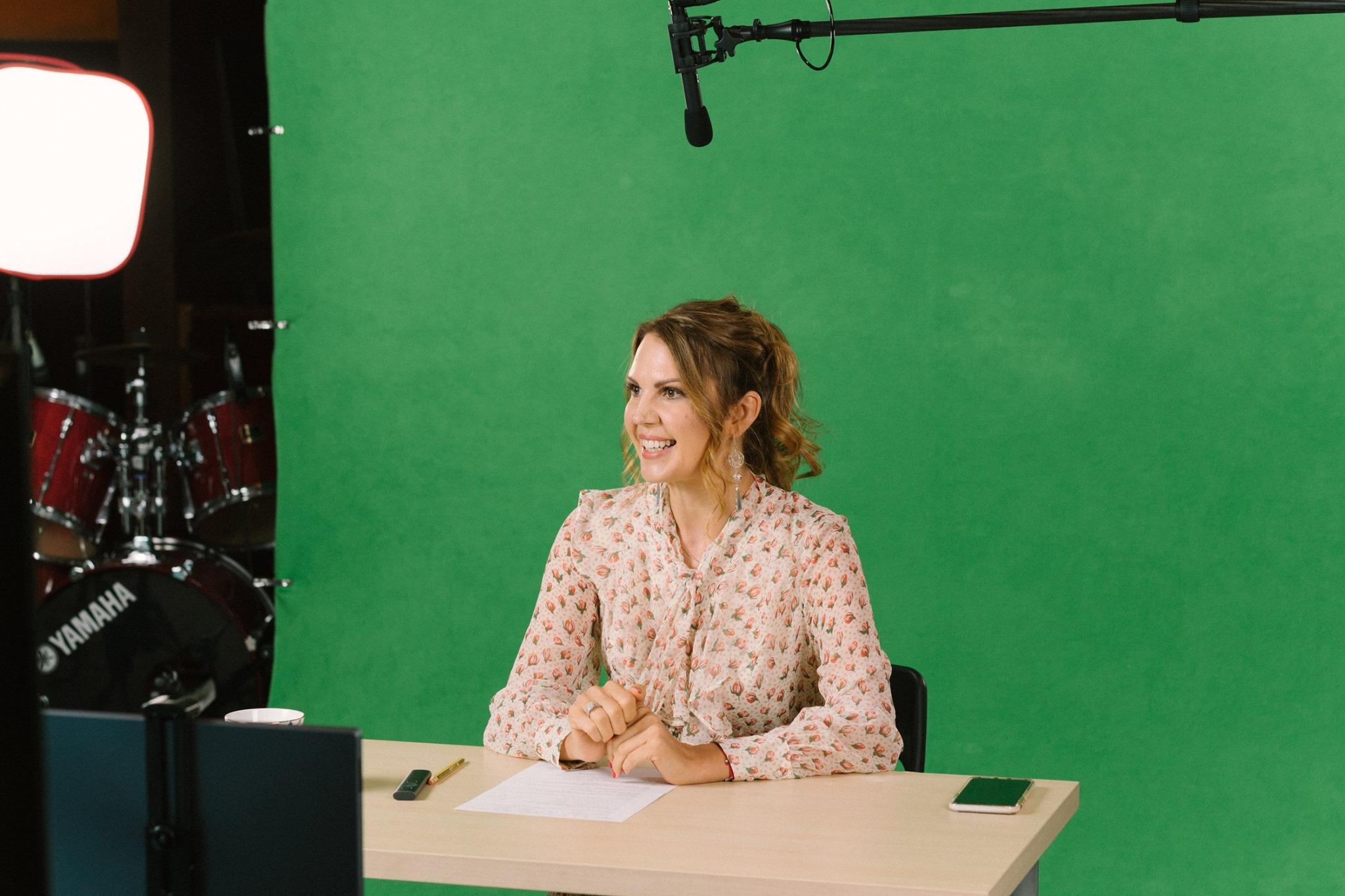
Professional support is useful when an event has multiple speakers or cameras, a venue audience, remote guests, complex slides, formal cues or a limited opportunity to repeat the programme. A simple informal update may need a smaller setup. Match the level of production to the consequences of unclear sound, missing content or interrupted delivery.
What should you prepare before requesting a quote?
- The event date, duration and venue.
- The audience size, countries and public or restricted access needs.
- The intended platform and whether the account is ready to stream.
- The number of speakers, cameras and remote contributors.
- Slides, videos, graphics, captions and interaction requirements.
- Recording, replay and edited deliverables.
- Rehearsal time, venue connectivity and backup expectations.
Explore Will Dylan’s live streaming production services in Singapore or send your event brief to discuss a suitable setup.